Community Health & Partnerships
Hunger and health are deeply connected. Individuals facing food insecurity are more likely to experience adverse health effects and face barriers to accessing necessary health services. Understanding this connection is crucial for developing comprehensive strategies to improve both food security and health care outcomes in our state.
Healthy bodies and minds require nutritious meals at every age. But when people don’t have enough food or have to choose inexpensive foods with low nutritional value, it can seriously impact their health. Food insecurity is associated with higher rates of chronic and diet-related diseases. When someone is sick, having to choose between food and treatment can lead to serious complications. No Texan should be forced to make that impossible choice.
In addition to facing food insecurity and health challenges, families across our state are facing barriers to accessing essential health care services. Texas has the highest uninsured rate in the nation for infants, children, and adults. Data from the Census Bureau shows that 21.7% of Texas adults aged 19 to 64 went without health insurance in 2023, the worst rate in the nation and nearly double the national rate of 11%. Children in Texas were also much more likely to go without health insurance than kids in any other state in 2023. The Texas uninsured rate for children is 11.9%, more than twice the national rate of 5.4%.
Food insecurity is also associated with higher health care costs. The Center for Disease Control suggests that food insecurity adds about $53B annually to health care costs in the U.S. In Texas, it can add up to more than $2B.
At Feeding Texas, we develop and monitor nutrition education and health programs tailored to local communities that need it most. We also partner with healthcare organizations across the state to promote Food Is Medicine solutions to reduce food insecurity and increase access to nutritious foods to help Medicaid beneficiaries manage chronic conditions and diet-related illnesses.
Healthcare Partnerships & Food Is Medicine Solutions
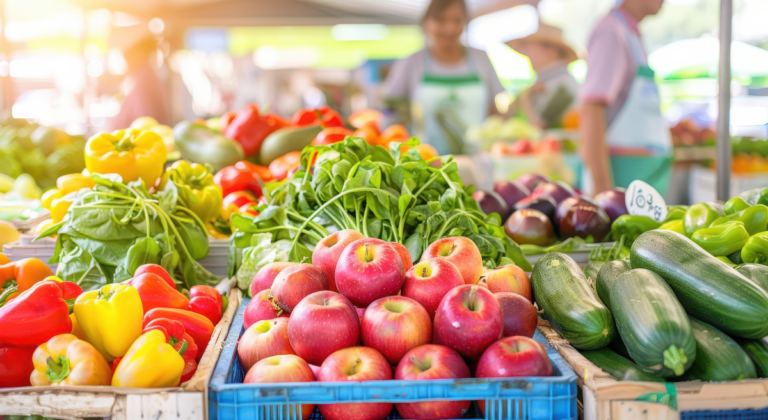
Creating a healthy Texas requires a healthcare system that takes a holistic approach to treating patients and addresses health-related needs beyond just medicine. Food Is Medicine, or FIM, programs use food-based interventions to help prevent, manage, and treat specific health conditions. We envision a future where patients with food insecurity are connected to food as part of their healthcare and a Medicaid reimbursement model where food banks are leveraged to reduce costs and engage patients in a meaningful way.
Food banks have operated in the healthcare space for years and have a track record of developing successful programs with local healthcare organizations to serve community members. Feeding Texas is building on this expertise by coordinating a statewide strategy, pursuing legislative solutions to better align financial incentives for this work, and deepening relationships with payers to advance this priority. We believe this work will advance health outcomes in our healthcare system, scale already-existing food bank infrastructure, and significantly lower healthcare costs over time.
Nutrition Education Classes

Our network food banks provide over 5,000 classes annually in schools, public housing facilities, food pantries, and feeding sites to reach thousands of Texans. The Feeding Texas Community Health Team works to manage and evaluate our state-level portfolio of nutrition education programs. Through these programs, Texans learn the best ways to stretch their SNAP dollars and cook nutritious meals at home.
In 2023, our network reached 71,600 participants through 5,204 nutrition education class sessions.


Get Involved
Learn more about how you can get involved in ending hunger in Texas.